
The Importance of Annual Fire Door Inspections and Hiring Certified Inspectors According to NFPA 80

Fire doors play a critical role in protecting lives and property in commercial buildings, schools, and churches. These doors are designed to slow the spread of fire and smoke, giving occupants time to evacuate safely and minimizing damage. However, their effectiveness depends on proper maintenance and regular inspections. Conducting annual fire door inspections in line with NFPA 80 standards and hiring certified fire door inspectors is essential for ensuring these safety features perform as intended.

Why Annual Fire Door Inspections Matter
Fire doors are not like regular doors. They include special components such as intumescent seals, self-closing devices, and fire-resistant cores. Over time, these parts can wear out, get damaged, or be improperly modified. Without regular inspections, a fire door might fail during an emergency, putting lives and property at risk.
NFPA 80, the Standard for Fire Doors and Other Opening Protectives, sets clear guidelines for inspection, testing, and maintenance of fire doors. It requires that fire doors in commercial properties, schools, and churches be inspected at least once every 12 months. This ensures that any issues are identified and corrected promptly.
Failing to comply with NFPA 80 can lead to serious consequences:
Increased risk of fire spreading rapidly
Legal liabilities for property owners
Voided insurance coverage
Potential fines from fire safety authorities
Regular inspections help maintain the integrity of fire doors, ensuring they close properly, seals are intact, and hardware functions as designed.
What Happens During a Fire Door Inspection
A thorough fire door inspection involves checking several key components:
Door and frame condition: Look for cracks, warping, or damage that could compromise fire resistance.
Seals and gaskets: Verify that intumescent and smoke seals are present and undamaged.
Self-closing devices: Ensure door closers work smoothly and close the door fully without obstruction.
Latch and lock operation: Confirm that latches engage properly to keep the door securely closed.
Signage and labeling: Check that fire door labels are legible and compliant with NFPA 80.
Clearances: Measure gaps around the door to ensure they meet fire rating requirements.
Inspectors also test the door’s operation to confirm it closes and latches correctly without sticking or binding.
Why Hire a Certified Fire Door Inspector
Not all inspections are equal. Hiring a certified fire door inspector guarantees that the person performing the inspection has the knowledge and experience to identify subtle issues that could affect fire door performance.
Certified inspectors understand the detailed requirements of NFPA 80 and other relevant codes. They can provide:
Accurate assessments of door condition
Recommendations for repairs or replacements
Documentation that meets regulatory and insurance standards
Peace of mind that your property complies with fire safety laws
For commercial property owners, schools, and churches, working with certified inspectors reduces the risk of costly mistakes and ensures safety measures are up to date.

How Often Should Fire Door Inspections Be Done?
NFPA 80 requires fire door inspections at least once every 12 months. This annual schedule applies to all commercial properties, including schools and churches. Some situations may call for more frequent inspections:
Buildings with high foot traffic or heavy use of fire doors
Properties undergoing renovations or repairs
Locations with previous fire door failures or issues
In addition to annual inspections, fire doors should be checked after any significant event such as a fire, flooding, or impact damage.
Property owners should keep detailed records of all inspections, repairs, and maintenance. This documentation supports compliance and helps track the condition of fire doors over time.
Practical Tips for Commercial Property Owners
Schedule inspections early: Book certified inspectors well in advance to avoid last-minute compliance issues.
Train staff: Educate building managers and maintenance teams on the importance of fire door care and how to spot obvious problems.
Avoid unauthorized modifications: Never alter fire doors or hardware without professional guidance, as this can void fire ratings.
Maintain clear access: Keep fire doors free from obstructions and ensure they close fully.
Review inspection reports: Act promptly on any recommendations to fix or replace damaged components.
By following these steps, commercial property owners, schools, and churches can maintain a safer environment and reduce liability risks.
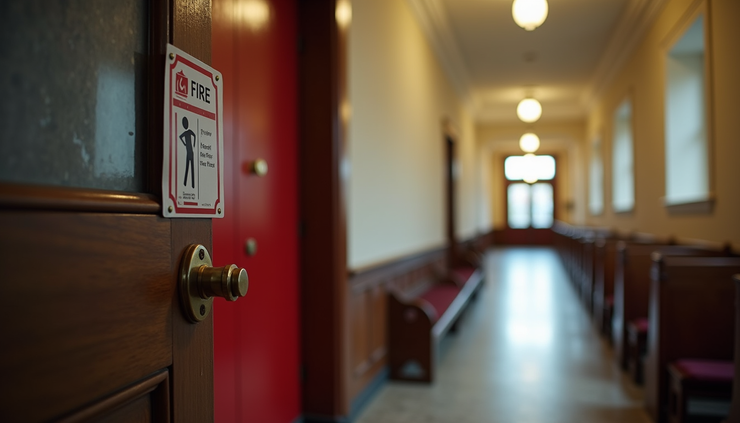
Annual fire door inspections are not just a regulatory requirement; they are a vital part of protecting lives and property. Hiring a certified fire door inspector ensures inspections meet NFPA 80 standards and that fire doors will perform correctly when needed most. Commercial property owners, schools, and churches should prioritize these inspections to maintain safety, comply with laws, and avoid costly consequences. Taking action today can prevent disaster tomorrow.


Comments