top of page
Keys on Ring

Virginia Security Concepts

VIRGINIA BASED LOCKSMITH & PHYSICAL SECURITY COMPANY

Search

When people talk about trades, the spotlight often falls on electricians, plumbers, or carpenters. Yet, locksmiths rarely get mentioned, even though their work is essential to safety and security. This raises a question: why is the locksmith trade often omitted from discussions about skilled trades? More importantly, how crucial is this trade in today’s world?


Why Locksmiths Are Often Overlooked


The locksmith trade tends to fly under the radar for several reasons. One key factor is visibility. Unlike other trades that involve large-scale construction or obvious repairs, locksmith work is usually behind the scenes. People notice when a pipe bursts or a light fixture fails, but they rarely see the locksmith’s role until they are locked out or need urgent security fixes.


Another reason is the perception of locksmithing as a simple job. Many assume locksmiths only make keys or open locks, not realizing the complexity involved. Modern locksmiths work with advanced security systems, electronic locks, and even cybersecurity measures related to physical access control. This lack of awareness contributes to the trade’s omission in conversations about trades employment.


The Importance of Locksmiths in Safety and Security


Locksmiths play a vital role in protecting homes, businesses, and public spaces. Their expertise goes beyond just opening doors. Here are some ways locksmiths contribute to safety:


  • Emergency Access: When people are locked out of their homes or vehicles, locksmiths provide quick, non-destructive entry.

  • Security Upgrades: Locksmiths install high-security locks, safes, and access control systems that prevent unauthorized entry.

  • Maintenance and Repairs: Regular lock maintenance ensures that security systems function properly, reducing the risk of break-ins.

  • Consultation: Locksmiths advise on the best security solutions tailored to specific needs, whether for schools, offices, or residential buildings.


For example, schools rely heavily on locksmiths to maintain secure entry points and emergency exits. This ensures the safety of students and staff, especially in emergencies.


The Role of Locksmith Trade in Trades Employment


Trades employment is a critical part of the economy, providing stable jobs and essential services. Locksmithing offers a unique blend of technical skill, problem-solving, and customer service. It is a trade that requires continuous learning due to evolving technology in security systems.


Trade schools often include locksmith training as part of their curriculum, but it is less common than other trades. Expanding locksmith programs in schools could help fill the growing demand for skilled locksmiths. This would also raise awareness of the trade’s importance and encourage more people to consider it as a career.


Challenges Facing the Locksmith Trade


Despite its importance, the locksmith trade faces several challenges:


  • Lack of Awareness: Many people do not understand what locksmiths do, which affects recruitment and respect for the trade.

  • Technological Changes: Locksmiths must keep up with rapid advances in electronic and smart lock technology, requiring ongoing education.

  • Regulation and Licensing: Varying laws and licensing requirements can make it difficult for locksmiths to operate across different regions.

  • Competition: The rise of DIY lock solutions and online key duplication services can reduce demand for professional locksmith services.


Addressing these challenges requires collaboration between trade schools, industry groups, and policymakers to promote locksmith training and standardize regulations.


Why Trade Schools Should Promote Locksmith Training More


Trade schools have a responsibility to prepare students for the trades that society needs most. Locksmithing fits this need perfectly because:


  • It offers stable employment opportunities.

  • It involves hands-on skills combined with technology.

  • It supports community safety and security.

  • It provides a pathway to entrepreneurship for those who want to start their own locksmith business.


By promoting locksmith training, trade schools can help balance the workforce and ensure that this critical trade does not remain overlooked.


Practical Examples of Locksmith Impact


Consider a hospital where locksmiths install and maintain secure access to sensitive areas like pharmacies and patient records. Their work prevents theft and unauthorized access, protecting both patients and staff.


In residential neighborhoods, locksmiths help families upgrade their home security systems, reducing burglary rates. Their advice on lock types and security measures can make a real difference in community safety.


Final Thoughts on the Locksmith Trade


The locksmith trade deserves more recognition in discussions about skilled trades and trades employment. Its role in safety, security, and emergency response is vital. Trade schools and industry leaders should work together to highlight locksmithing as a valuable career path.


For anyone interested in trades, locksmithing offers a rewarding blend of technical skill and community impact. Recognizing and supporting this trade will strengthen the overall trades workforce and improve safety for everyone.


Next step: If you are involved in trade education or workforce planning, consider how locksmith training can be integrated or expanded in your programs. For individuals exploring trades, locksmithing might be the hidden opportunity that combines skill, technology, and meaningful work.


Moving into a new home or apartment is an exciting milestone. Yet, amid unpacking boxes and setting up utilities, one important security step often gets overlooked: re-keying the locks. Whether you just bought a house, signed a lease, or lost keys to your home or apartment, changing the locks is essential. It protects your safety, privacy, and peace of mind.


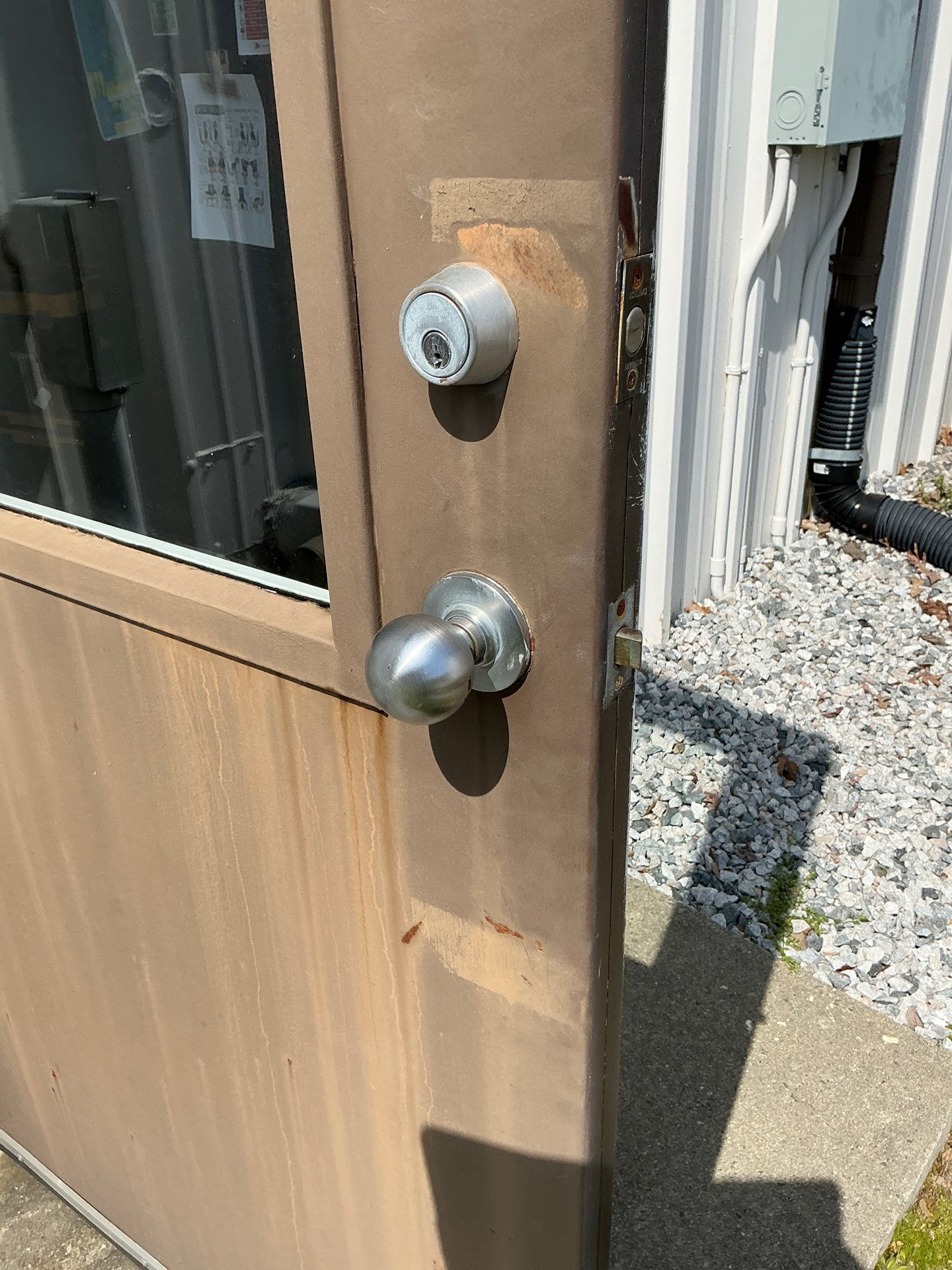
Close-up view of a locksmith re-keying a door lock
Locksmith re-keying a door lock for a new home

Why You Should Re-Key When Moving In


When you buy a home or rent an apartment, you never know how many copies of the keys exist. Previous owners, tenants, contractors, or even realtors may have had access. If those keys fall into the wrong hands, your property becomes vulnerable.


Re-keying means changing the internal pins of your existing locks so old keys no longer work. It’s a cost-effective way to secure your home without replacing the entire lock system.


Key reasons to re-key include:


  • Unknown key copies: You cannot be sure who still holds keys.

  • Lost keys to home or apartment: If you misplaced your keys, re-keying prevents unauthorized entry.

  • Previous tenants or owners: Realtors often hand over keys to multiple parties during sales or rentals.

  • Peace of mind: Knowing only you and trusted people have access reduces anxiety.


How Re-Keying Works and What to Expect


A professional locksmith removes the lock cylinder and replaces the pins inside to match a new key. The lock hardware stays the same, but old keys won’t open it anymore.


The process usually takes 15 to 30 minutes per lock and costs less than replacing locks entirely. You can choose to re-key all exterior doors, garage doors, and even some interior locks if needed.


Tips for re-keying your new home:


  • Re-key all entry points, including side and back doors.

  • Consider re-keying mailboxes or storage units if applicable.

  • Keep a spare key in a secure location.

  • Ask your locksmith about high-security lock options for added protection.


When Lost Keys to Your Home or Apartment Require Immediate Action


Losing your keys is stressful and can create an urgent security risk. If you lose keys, you should re-key your locks immediately to prevent unauthorized access.


Even if you find your keys later, someone could have copied them or found them first. Re-keying ensures that lost keys no longer work, protecting your belongings and family.


What to do if you lose keys:


  • Contact a locksmith right away.

  • Avoid hiding spare keys outside; these are easy targets.

  • Inform your landlord or property manager if you rent.

  • Consider upgrading to smart locks or keyless entry systems for convenience.


Eye-level view of a new apartment door lock being re-keyed
New apartment door lock being re-keyed by a locksmith

Realtors and the Importance of Re-Keying After a Sale or Rental


Realtors often handle multiple properties and provide keys to various parties such as inspectors, contractors, and potential buyers or renters. This increases the risk that keys are copied or misplaced.


Even if you trust your realtor, it’s wise to re-key after closing a sale or signing a lease. This step ensures that only you and your family have access moving forward.


Consider these points:


  • Realtors may not always inform you about how many keys were distributed.

  • Previous occupants or agents might still have keys.

  • Re-keying is a simple way to take control of your home’s security.


Additional Security Measures to Consider


Re-keying is a strong first step, but you can enhance your home’s safety further with these options:


  • Install deadbolts: Add extra locking strength to doors.

  • Use smart locks: Control access remotely and track who enters.

  • Secure windows: Add locks or alarms to vulnerable windows.

  • Change garage door codes: If your garage has a keypad, update the code regularly.

  • Install security cameras: Visible cameras deter intruders and record activity.


High angle view of a modern front door with a smart lock installed
Modern front door equipped with a smart lock for enhanced security

Final Thoughts on Re-Keying Your New Home


Re-keying your new home or apartment is a simple, affordable step that protects your safety and belongings. Whether you just moved in, lost keys to your home or apartment, or want to take control after working with realtors, re-keying gives you confidence that your space is secure.


Don’t wait until a security issue arises. Schedule a locksmith visit soon after moving in or losing keys. Taking this action helps you settle into your new place with peace of mind and control over who can enter your home. Your safety deserves this attention.


Physical security is a critical concern for schools, commercial buildings, and churches. Without a thorough understanding of potential vulnerabilities, these facilities risk unauthorized access, theft, vandalism, and even threats to life safety. Conducting a full physical security survey helps identify weaknesses and ensures compliance with fire codes and other safety regulations. This guide explains why these surveys matter and outlines practical steps to carry them out effectively.


Why Full Physical Security Surveys Matter


Physical security surveys provide a detailed assessment of a building’s defenses against threats. They go beyond simple checks and cover all aspects of security, including perimeter protection, access control, surveillance, and emergency preparedness. For schools, commercial buildings, and churches, these surveys are essential because:


  • Protecting people and property: Ensuring the safety of students, employees, congregants, and visitors is the top priority.

  • Meeting legal requirements: Compliance with fire codes and life safety standards reduces liability and helps avoid fines.

  • Preventing costly incidents: Identifying vulnerabilities early can prevent theft, damage, or worse.

  • Improving emergency response: Understanding building layout and security systems helps first responders act quickly during emergencies.


A well-conducted survey creates a roadmap for improving security measures and maintaining a safe environment.


Key Steps to Conduct a Physical Security Survey


1. Preparation and Planning


Start by gathering background information about the facility. This includes:


  • Building blueprints or floor plans

  • Previous security reports or incident logs

  • Fire codes and life safety regulations relevant to the location

  • Details about current security systems and protocols


Define the survey’s scope. Decide which areas to inspect, such as entrances, parking lots, hallways, and restricted zones. Assemble a team with expertise in security, fire safety, and facility management.


2. Site Inspection


Walk through the entire property, observing physical features and security controls. Focus on:


  • Perimeter security: Check fences, gates, lighting, and landscaping that could hide intruders.

  • Access points: Examine doors, windows, and emergency exits for locks, alarms, and signage.

  • Surveillance systems: Assess camera placement, coverage, and functionality.

  • Fire safety equipment: Verify the presence and condition of fire extinguishers, alarms, sprinklers, and clear exit routes.

  • Life safety features: Look for emergency lighting, evacuation maps, and accessibility for people with disabilities.


Take detailed notes and photographs to document findings.


3. Vulnerability Analysis


Analyze the data collected to identify weaknesses. Common issues include:


  • Unsecured or propped-open doors

  • Blind spots in camera coverage

  • Overgrown landscaping that blocks visibility

  • Fire exits obstructed by furniture or storage

  • Non-compliance with fire codes or life safety standards


Prioritize vulnerabilities based on risk level and potential impact.


4. Recommendations and Action Plan


Develop clear, actionable recommendations to address each vulnerability. Examples:


  • Install additional cameras to cover blind spots

  • Upgrade locks and access control systems on all entry points

  • Trim landscaping to improve visibility around the perimeter

  • Remove obstructions from fire exits and ensure signage is visible

  • Conduct regular fire drills and update emergency plans


Include estimated costs, timelines, and responsible parties for each action.


5. Reporting and Follow-Up


Prepare a comprehensive report summarizing findings and recommendations. Share it with facility managers, security personnel, and relevant stakeholders. Schedule follow-up inspections to verify that improvements are implemented and maintained.


Practical Tips for Effective Surveys


  • Use checklists tailored to the type of facility (school, church, commercial building).

  • Engage staff and occupants for insights on daily security challenges.

  • Coordinate with local fire departments to ensure compliance with fire codes.

  • Incorporate technology such as drones or thermal cameras for hard-to-reach areas.

  • Review and update surveys regularly, especially after renovations or incidents.


Final Thoughts on Physical Security Surveys


A comprehensive physical security survey is a vital tool for protecting people and property in schools, commercial buildings, and churches. It reveals hidden risks, ensures compliance with fire codes and life safety standards, and guides improvements that strengthen overall security. By following a clear, step-by-step process, facility managers can create safer environments and respond effectively to emergencies.


Take the next step by scheduling a full physical security survey for your facility. Regular assessments and timely upgrades will help maintain a secure space where everyone feels safe and protected.


WHO Virginia Security Concepts Serves

Primarily, the following are the types of facilities that we provide locksmith services & physical security consulting services for: 

  • Planned Communities, Condominiums, & Apartment Complexes​​

  • Parking Facilities 

  • Data Centers

  • Corporate Headquarters 

  • Distribution & Warehouse Facilities 

  • Biotech & Pharmaceutical Facilities 

  • Manufacturing Facilities 

  • Private Schools 

  • Churches 

  • K-12 Schools 

  • Higher Education

  • Private Residences 

  • Certain Non-Profit Organizations 

Image by Samantha Lam

Mission

Virginia Security Concepts will strive to provide superior service in locksmith, physical security consulting, and life safety issues. Our services are based on the notion that the end user deserves the best possible services for the fairest cost and to be empowered with the knowledge that Virginia Security Concepts will always put the end users best interests before anything else. We will conduct our business in a caring and professional manner, ensuring the safety and well being of all concerned.

Vision

To be able to provide the security services that the end users needs and to ensure their safety of the general public.

Let’s Connect

757.703.6425

Thanks for submitting!

  • Facebook
  • Twitter
  • LinkedIn

©2022 by Isecuru. Proudly created with Wix.com

bottom of page